

Welding neodymium magnets is a topic that often sparks curiosity among many, especially those in industries where these powerful magnets are used. As a neodymium magnets supplier, I've encountered numerous inquiries regarding the welding process of these magnets. In this blog, I'll delve into the details of how to weld neodymium magnets, the challenges involved, and some best practices to ensure a successful welding operation.
Understanding Neodymium Magnets
Neodymium magnets, also known as NdFeB magnets, are the strongest type of permanent magnets available today. They are made from an alloy of neodymium, iron, and boron. These magnets possess exceptional magnetic properties, high coercivity, and a relatively high energy product, which makes them ideal for a wide range of applications, including motors, generators, speakers, and magnetic separators.

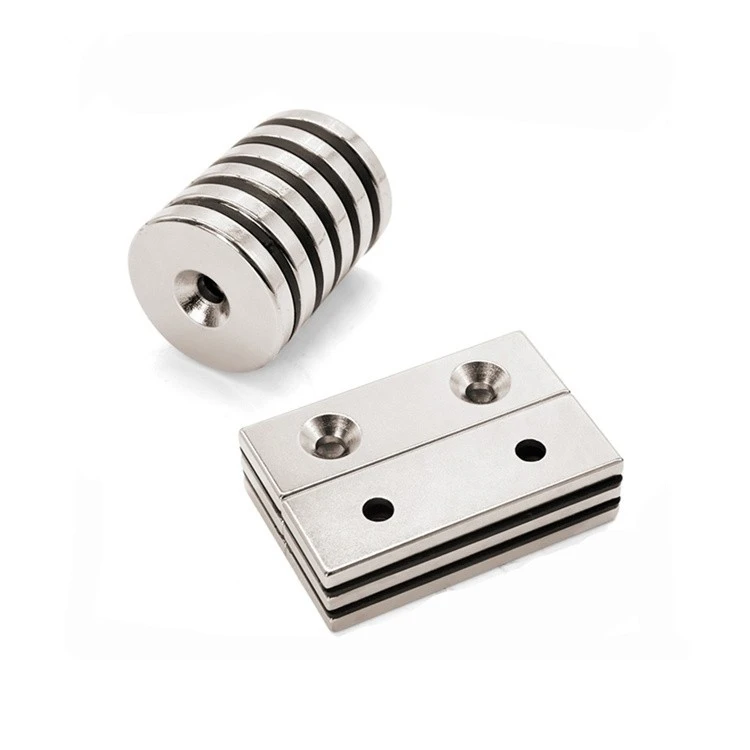
However, neodymium magnets also have some limitations. They are brittle and prone to cracking or chipping, especially when subjected to mechanical stress. Additionally, they are highly susceptible to corrosion, which can significantly reduce their magnetic performance over time. These characteristics need to be taken into account when considering welding neodymium magnets.
Challenges of Welding Neodymium Magnets
Welding neodymium magnets is not a straightforward process and comes with several challenges. One of the primary challenges is the high melting point of neodymium magnets. The melting point of NdFeB magnets is around 1000 - 1100°C, which requires a significant amount of heat to achieve the welding temperature. Applying such high heat can cause several issues:
- Loss of Magnetic Properties: The magnetic properties of neodymium magnets are highly temperature-sensitive. When heated above their Curie temperature (around 310 - 400°C for standard NdFeB magnets), they lose their magnetization. Once the magnet has lost its magnetization, it cannot regain its original magnetic strength without being re - magnetized, which is a complex and specialized process.
- Cracking and Brittleness: The heat from welding can cause thermal stress within the magnet, leading to cracking or chipping. Neodymium magnets are already brittle, and the additional stress from welding can exacerbate this problem, rendering the magnet useless for its intended application.
- Corrosion: The high - temperature welding process can also damage the protective coating on the neodymium magnet, exposing it to corrosion. Corrosion not only affects the appearance of the magnet but also degrades its magnetic performance over time.
Alternative Joining Methods
Due to the challenges associated with welding neodymium magnets, alternative joining methods are often preferred. These methods include:
- Adhesive Bonding: Adhesive bonding is a popular method for joining neodymium magnets. Specialized high - strength adhesives can provide a strong and reliable bond without subjecting the magnet to high temperatures. When using adhesives, it's important to choose an adhesive that is compatible with the magnet's coating and the application environment. For example, epoxy adhesives are commonly used because they offer high strength and good chemical resistance.
- Mechanical Fastening: Mechanical fastening methods, such as using screws, bolts, or clips, can also be used to join neodymium magnets. This method is relatively simple and does not require any heat application. However, it's important to ensure that the mechanical fasteners do not damage the magnet during the installation process.
Welding Neodymium Magnets - When and How
Although welding neodymium magnets is challenging, there are some situations where it may be necessary. For example, in some custom - made applications where a strong and permanent connection is required, welding might be the only option. If you decide to weld neodymium magnets, here are some steps and precautions to follow:
- Surface Preparation: Before welding, the surfaces of the neodymium magnets need to be thoroughly cleaned to remove any dirt, grease, or oxide layers. This can be done using a suitable solvent or abrasive material. A clean surface ensures better weld quality.
- Pre - heating: Pre - heating the magnets to a moderate temperature (below the Curie temperature) can help reduce thermal stress during welding. However, this step needs to be carefully controlled to avoid overheating and losing the magnetic properties.
- Welding Process Selection: Choose a welding process that can minimize the heat input. Tungsten Inert Gas (TIG) welding is often a preferred choice because it allows for precise control of the heat and the welding process. During TIG welding, an inert gas (such as argon) is used to protect the weld area from oxidation.
- Post - welding Treatment: After welding, the magnet should be cooled slowly to reduce thermal stress. Additionally, the magnet may need to be re - magnetized if it has lost its magnetization during the welding process. This can be done using a specialized magnetizing equipment.
Our Product Offerings
As a neodymium magnets supplier, we offer a wide range of high - quality neodymium magnets to meet various customer needs. Our product portfolio includes Powerful Special - shaped Magnet, Powerful Countersunk Magnet, and Powerful Arc Magnet. These magnets are carefully manufactured to ensure excellent magnetic performance and durability.
Contact Us for Procurement
If you are interested in purchasing neodymium magnets or have any questions about welding or other aspects of neodymium magnets, please feel free to contact us. We have a team of experts who can provide you with professional advice and guidance to help you make the right choice for your application.
References
- "Neodymium - Iron - Boron Permanent Magnets" by John J. Croat.
- "Magnet Technology Handbook" edited by Karl - Heinz Müller.